


2021/03/08
Message from Jessie Forsyth, Project Director, Mozambique
On this International Women’s Day, the Mozambique-Canada Maternal Health Project wishes to acknowledge the incredible strength and courage of all the women who are facing the challenges of COVID-19 in their communities and families.
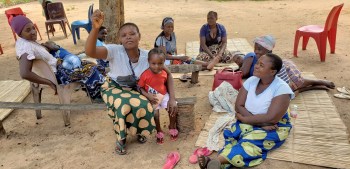
In partner communities in Inhambane province, women have shared experiences of loss of livelihoods due to lack of market access, increased demands for care with children at home and relatives who have become sick, and complications arising out of efforts to shelter in place that include heightened risks of early pregnancy.
With studies interrupted, many young women in rural areas also face increased challenges of completing secondary school and pursuing further education. Teenage girls have spoken of their plans to become teachers or health workers that are now on hold.
Considerable challenges notwithstanding, women in our partner communities have remained leaders in teaching COVID-19 prevention and encouraging neighbours to follow prevention measures, even if some are difficult to maintain – social distancing, for example, when called to participate in ceremonies or isolating after travel. Through increased community discussions about how to respond to COVID-19, women’s voices and fortitude continue to carry us forward.
In honour of all the women who have come before, those who are with us today, and those who are yet to come, viva!
Recent Comments